Product details description
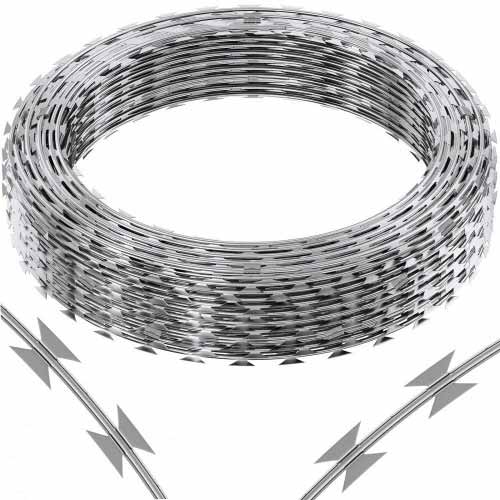
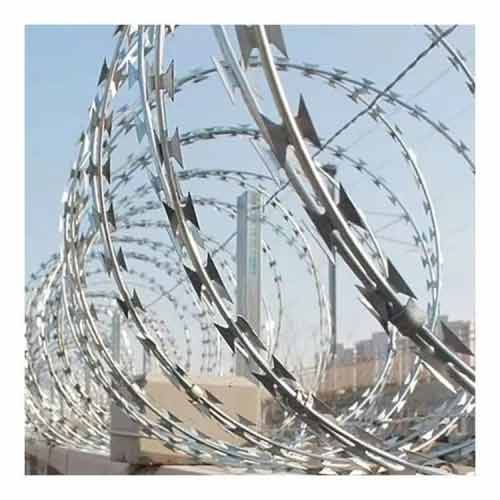
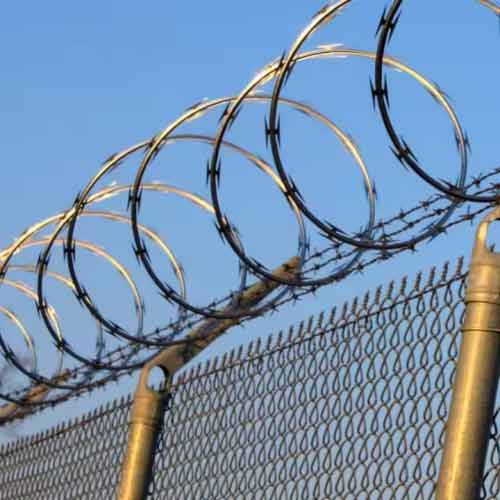
Concertina wire, a type of razor wire formed into a concertina shape for
rapid deployment, is a staple of high-security perimeters. However, its
effectiveness is compromised if the steel core corrodes, leading to structural
failure. The two primary coating options—hot-dip galvanizing and PVC
coating—offer different levels of protection and aesthetic outcomes. Hot-dip
galvanizing involves dipping the steel into molten zinc, creating a
metallurgical bond that acts as a sacrificial anode. This means that even if the
coating is scratched, the zinc will corrode preferentially to protect the
underlying steel, making it ideal for harsh, abrasive environments where the
wire might be scraped by debris or vegetation.
PVC (Polyvinyl Chloride) coating, on the other hand, is a physical barrier
method. The wire is first galvanized and then coated with a layer of colored
plastic. The primary advantage of PVC is its ability to color-code the wire for
identification (e.g., red for high-security zones) and to provide a smooth
surface that is less likely to snag clothing or equipment during installation.
The plastic layer also acts as a seal against moisture and oxygen. However, if
the PVC layer is scratched or cracked, the underlying zinc is exposed, and
because the plastic prevents the zinc from forming a "white rust" patina that
might seal small scratches, corrosion can spread rapidly underneath the coating
(undercutting), which is harder to detect visually than rust on bare galvanized
wire.
In terms of longevity, hot-dip galvanized wire typically lasts longer in
aggressive environments like coastal areas or industrial zones with high sulfur
content in the air. The zinc layer can be applied thickly (up to 100 microns or
more), providing decades of service. PVC coating thickness is generally thinner,
and UV radiation can cause the plastic to become brittle and crack over time,
especially in extreme heat or freezing temperatures. While "UV-stabilized" PVC
exists, it still has a shorter lifespan than heavy-duty galvanizing in direct,
constant sunlight.
Maintenance requirements differ significantly between the two. Galvanized
wire requires little to no maintenance other than visual inspection for "white
rust," which is actually a protective layer of zinc carbonate that forms when
zinc reacts with the atmosphere. This can be left alone or cleaned if aesthetics
are a concern. PVC-coated wire requires regular inspection for cracks, peeling,
or chalkiness. Once the integrity of the plastic shell is breached, the wire
needs to be touched up with a zinc-rich paint to prevent rapid corrosion, which
increases lifecycle costs.
Ultimately, the choice depends on the specific threat profile and
environmental conditions. For temporary installations, disaster relief, or
military forward operating bases where rapid deployment and color identification
are key, PVC-coated concertina wire is often preferred. For permanent, static
perimeter fencing around power plants, pipelines, or border controls where
maximum lifespan and minimum maintenance are the priority, hot-dip galvanized
(or even stainless steel) remains the superior engineering choice despite the
higher initial material cost.
Previous article:
How to Install Concertina Wire for Maximum Perimeter Protection
Next article:
Temporary Security Barriers: Portable Concertina Wire Systems for Event Protection